
Skip to content
  • About Us
  • Write for Us
  • Contact
  • Donate
  • People
  • Newsletter
  • Sciworthy’s Professor Partnership Program
    • About the Program
    • All PPP Articles
    • Emmanuel College
    • New Mexico Tech
    • Raritan Valley CC Biology
    • RWU and Tufts Cancer Biology
    • St. Lawrence Neuroscience
    • Trinity Geology
    • University of Delaware
Skip to content

Sciworthy

  • Home
  • Read by Big Question
    • How do computers learn?
    • How do scientists study drugs and vaccines?
    • How do we treat infectious diseases?
    • What is the status of cancer research?
    • What new treatments are there for neurodegenerative diseases?
    • What do we know about mental health?
    • What is the biological basis of aging?
    • How do we educate our kids?
    • How do we feed people now and in the future?
    • What effects do different foods have on our bodies and health?
    • What new technology is coming around the corner?
    • How does technology impact our daily lives?
    • What might life look like elsewhere in the Universe?
    • How could humans travel in space?
    • What is out in space?
    • What happened in Earth’s past?
    • What is going on with the Earth’s climate?
    • How do microbes respond to changes in their surroundings?
    • How can microbes clean up the environment?
  • Read by Topic
    • Agriculture
    • Archaeology
    • Astrobiology & Space Science
    • Astronomy
    • Biology
    • Chemistry
    • Computer Science
    • Earth Systems
    • Ecology
    • Education
    • Engineering
    • Environment
    • Food Science
    • Geography
    • Machine learning and AI
    • Medicine
    • Microbiology
    • Neuroscience
    • Oceanography
    • Paleobiology
    • Physics
    • Psychology
    • Space
    • Sustainability
    • Technology
    • The Force
  • Take Our Courses

Sciworthy

The Encyclopedia of Science's Frontier

Home » Big Questions » How do scientists study drugs and vaccines?

Category: How do scientists study drugs and vaccines?

How do scientists study the safety and efficacy of drugs and vaccines? How do we develop new drugs and vaccines?
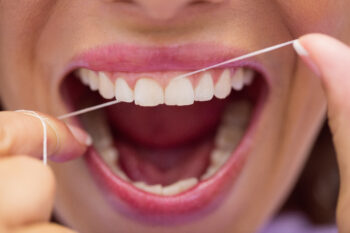
Female patient flossing her teeth
shadow

Dental floss delivers vaccines through the gums

Posted on January 29, 2026January 28, 2026 by Sciworthy

Scientists triggered a strong immune response in mice by using vaccine-coated dental floss to access their leaky gums.
    Read More
    shadow

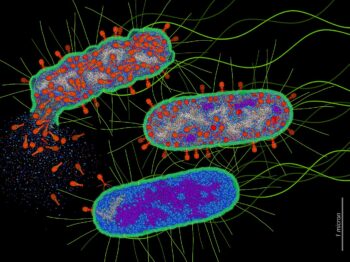
    Bacteria join forces with viruses to fight cancer

    Posted on January 22, 2026January 14, 2026 by Sciworthy

    Researchers infected bacteria with cancer-fighting viruses to help treat cancer. Their new treatment was 100% successful in shrinking tumors…
      Read More
      shadow

      Toward personalized cancer treatments

      Posted on September 11, 2025September 11, 2025 by Sciworthy

      Medical researchers developed a computational analysis technique, called VIPER, that can predict how cancer cells respond to drug…
        Read More
        shadow

        Parasites successfully deliver drugs to the brain

        Posted on February 27, 2025June 25, 2025 by Sciworthy

        Scientists engineered a common parasite to carry therapeutic drugs across the blood-brain barrier in mice.

          Read More
          shadow

          Is there an optimal time of day to take cancer meds?

          Posted on February 3, 2025June 25, 2025 by Sciworthy

          Scientists showed that some cancer medications work better when taken at a certain time of day. They suggested doctors combine optimal…

            Read More
            Purple passionflower
            shadow

            Researchers use purple passionflower to treat herpes

            Posted on January 23, 2025June 25, 2025 by Sciworthy

            Scientists showed that a compound naturally found in purple passionflowers can alleviate symptoms of herpes simplex eye infections in mice.
              Read More
              shadow

              The future of 3D cell cultures in biomedical research

              Posted on December 30, 2024June 26, 2025 by Sciworthy

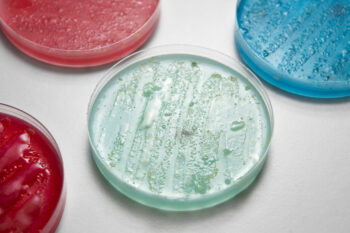
              Microbiologists proposed that 3-dimensional artificial environments are the best way to study cell behavior and drug responses, although…
                Read More
                shadow

                Can nutgrass prevent gastric ulcer?

                Posted on September 18, 2023June 25, 2025 by Halimat Chisom Atanda

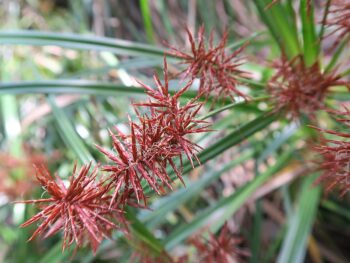
                Researchers used computer software to identify compounds in nutgrass that neutralize gastric ulcer bacteria. These compounds are safe for…

                  Read More
                  person in red sweater holding babys hand
                  shadow

                  How well does the HPV vaccine prevent cervical cancer?

                  Posted on April 24, 2023March 30, 2023 by Sciworthy

                  Scientists conducted a follow-up on the Costa Rica HPV vaccine trial after 11 years. They showed the HPV vaccine almost perfectly prevents…

                    Read More
                    white and black shark in water
                    shadow

                    Shark antibodies used in new antiviral therapies

                    Posted on March 20, 2023March 15, 2023 by Sciworthy

                    Scientists found therapeutics derived from sharks are effective in treating emerging variants of SARS-CoV-2 and related viruses.

                      Read More
                      • 1
                      • 2
                      • 3
                      Youtube Bluesky Facebook Instagram Twitter TikTok

                      Video – Aerogels for Oil Spills

                      https://www.sciworthy.com/wp-content/uploads/2025/08/Sciworthy-Aerogel-for-Oil-Spills.mp4

                      What’s New in Space Science?

                      Artist's impression of the planetary system around the red dwarf Gliese 581. Credit: ESO

                      Unlock Your Potential!

                      Unlock Your Potential!
                      shadow
                      shadow
                      shadow

                      Help us help you!

                      We want to know how Sciworthy can better serve our readers. Take our 5-minute survey and tell us your thoughts!

                      Take the Survey

                      Sciworthy’s content is Creative Commons, No Derivatives, With Attribution. Read more about the license here.