
Skip to content
  • About Us
  • Write for Us
  • Contact
  • Donate
  • People
  • Newsletter
  • Sciworthy’s Professor Partnership Program
    • About the Program
    • All PPP Articles
    • Emmanuel College
    • New Mexico Tech
    • Raritan Valley CC Biology
    • RWU and Tufts Cancer Biology
    • St. Lawrence Neuroscience
    • Trinity Geology
    • University of Delaware
Skip to content

Sciworthy

  • Home
  • Read by Big Question
    • How do computers learn?
    • How do scientists study drugs and vaccines?
    • How do we treat infectious diseases?
    • What is the status of cancer research?
    • What new treatments are there for neurodegenerative diseases?
    • What do we know about mental health?
    • What is the biological basis of aging?
    • How do we educate our kids?
    • How do we feed people now and in the future?
    • What effects do different foods have on our bodies and health?
    • What new technology is coming around the corner?
    • How does technology impact our daily lives?
    • What might life look like elsewhere in the Universe?
    • How could humans travel in space?
    • What is out in space?
    • What happened in Earth’s past?
    • What is going on with the Earth’s climate?
    • How do microbes respond to changes in their surroundings?
    • How can microbes clean up the environment?
  • Read by Topic
    • Agriculture
    • Archaeology
    • Astrobiology & Space Science
    • Astronomy
    • Biology
    • Chemistry
    • Computer Science
    • Earth Systems
    • Ecology
    • Education
    • Engineering
    • Environment
    • Food Science
    • Geography
    • Machine learning and AI
    • Medicine
    • Microbiology
    • Neuroscience
    • Oceanography
    • Paleobiology
    • Physics
    • Psychology
    • Space
    • Sustainability
    • Technology
    • The Force
  • Take Our Courses

Sciworthy

The Encyclopedia of Science's Frontier

Home » Big Questions » How do we feed people now and in the future?

Category: How do we feed people now and in the future?

How do we make farming more sustainable? What does sustainable even mean? What kinds of farming do researchers study and what are the improvements?
Corn field at sunset
shadow

Is the most profitable fertilizer level also safe for the environment?

Posted on January 19, 2026January 14, 2026 by Sciworthy

Researchers in the midwestern US measured how much nitrogen corn plants used versus how much remained in the soil, to help farmers maximize…

    Read More
    Woman holding container of colorful flowers in greenhouse
    shadow

    City waste could support urban farming

    Posted on March 17, 2025October 1, 2025 by Madeline Taylor

    Researchers found that adding city waste products to local farms promoted a healthy soil microbiome and improved how tomatoes taste.
      Read More
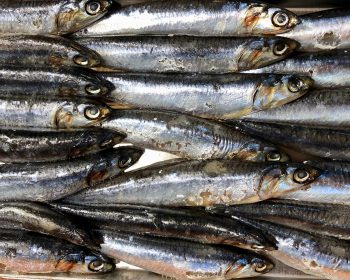
      Fresh anchovies at the fish counter of a grocery store
      shadow

      Anchovy-lovers, your favorite pizza topping may get harder to find!

      Posted on August 29, 2022June 23, 2025 by Erica Curles

      Back when the Earth was warmer, a part of the ocean called the Humboldt Current used to be dominated by goby-like fish instead of the…
        Read More
        shadow

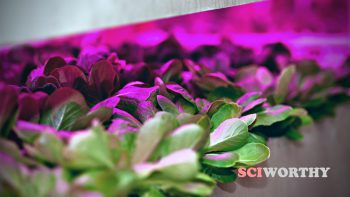
        Could quantum dots reduce the cost of indoor farming?

        Posted on May 9, 2022November 8, 2022 by Sciworthy

        Why does this help plants? Plants can capture energy from many colors of light, but they cannot use energy from ultraviolet radiation. By…
          Read More
          shadow

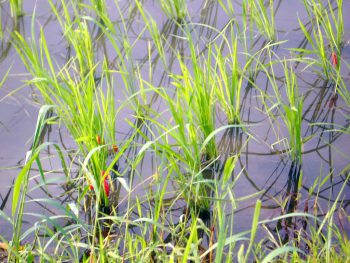
          New rice growing method is environmentally friendly and more effective

          Posted on April 20, 2022June 25, 2025 by Hunter Dulay

          Growing rice using an alternating wet and dry method can boost plant health and the amount of nutrients it carries thanks to…
            Read More
            shadow

            Future telescopes could search for alien farms

            Posted on April 12, 2022June 25, 2025 by Jacob Haqq Misra

            Simulations suggest that the light observed from a distant planet around another star might be able to show evidence of ammonia and nitrous…
              Read More
              shadow

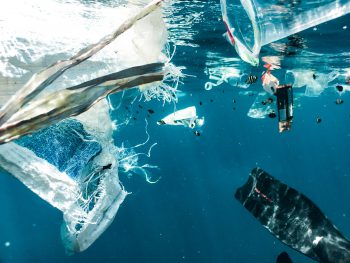
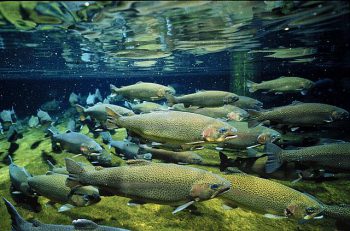
              Fish behavior is affected by microplastics in water

              Posted on April 7, 2022October 24, 2022 by Erica Curles

              Microplastics and nanoplastics affect gut bacteria and neurotransmitter levels in discus fish, potentially explaining changes in fish…
                Read More
                shadow

                Can dead fish still pass on their genes to a new generation?

                Posted on March 3, 2022October 24, 2022 by Erica Curles

                Food producers and aquarium enthusiasts alike are interested in preserving rare breeds of fish. Fish such as platinum arowana and large…
                  Read More
                  shadow

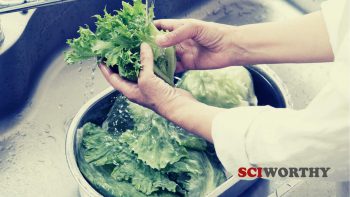
                  How do we reduce toxic byproducts of washing lettuce?

                  Posted on February 17, 2022November 8, 2022 by Gina Misra

                  Chlorine sanitizers used in the produce industry makes some byproducts in spent wash water that are not super healthy for us. These…
                    Read More
                    shadow

                    Bacteria that live on plant roots are important for farming

                    Posted on January 24, 2022October 24, 2022 by Sciworthy

                    Scientists used DNA sequencing to identify what microbes live on or near the root systems of farmed and wild wheat. They found that farmed…

                      Read More
                      • 1
                      • 2
                      • 3
                      • 4
                      Youtube Bluesky Facebook Instagram Twitter TikTok

                      Video – Aerogels for Oil Spills

                      https://www.sciworthy.com/wp-content/uploads/2025/08/Sciworthy-Aerogel-for-Oil-Spills.mp4

                      What’s New in Space Science?

                      Artist's impression of the planetary system around the red dwarf Gliese 581. Credit: ESO

                      Unlock Your Potential!

                      Unlock Your Potential!
                      shadow
                      shadow
                      shadow

                      Help us help you!

                      We want to know how Sciworthy can better serve our readers. Take our 5-minute survey and tell us your thoughts!

                      Take the Survey

                      Sciworthy’s content is Creative Commons, No Derivatives, With Attribution. Read more about the license here.