

Why do deep-sea microbes have such small appetites?
The deep sea is one of Earth’s largest reservoirs of carbon, yet microbes don’t consume very much of it. Researchers showed that this is…
The Encyclopedia of Science's Frontier
The deep sea is one of Earth’s largest reservoirs of carbon, yet microbes don’t consume very much of it. Researchers showed that this is…
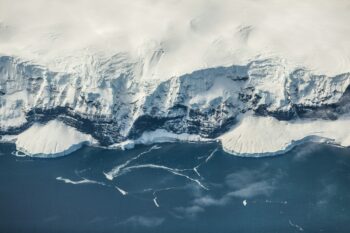
Researchers demonstrated that microbial DNA from a 300-year-old ice core can help track how microbes respond to global change.
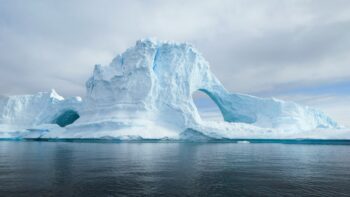
Scientists found that growing fractures caused an East Antarctic ice shelf to collapse.

Geologists simulated the chemistry of Earth's past oceans and atmosphere using mineral data from the ancient seafloor. They found a…
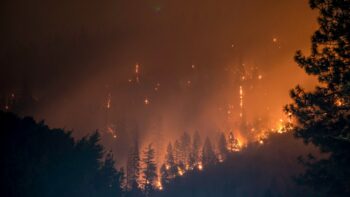
Scientists modeled forest productivity before and after wildfires. They found that plant regrowth depended on the type of biome and how much…

Researchers modeled groundwater temperature trends from 2000 to 2100. They estimated that groundwater could warm by up to 3.5°C over the…
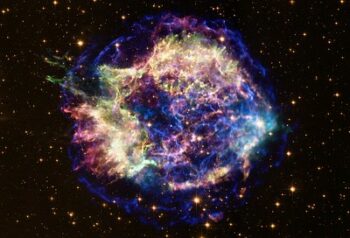
Scientists used an Earth system model to test how radiation from a nearby supernova would affect life on our planet. They found that the…
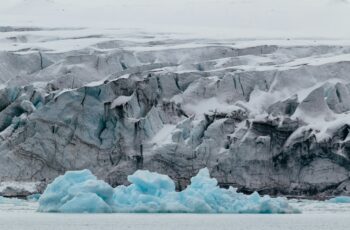
Geologists studied gas fluxes from groundwater springs uncovered by melting Arctic glaciers. They estimated that these springs release over…
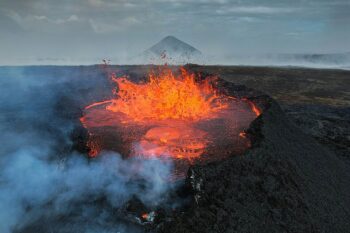
Geologists dated a global warming event about 180 million years ago. They found it lasted between 169,000 and 417,000 years and was linked…
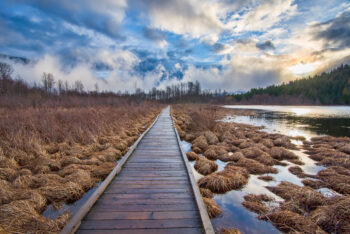
Researchers found that soil microbes release less methane but more carbon dioxide and nitrous oxide in draining peatlands.